Why People Congregated in Cities: A Brief History
Cities have always been magnets for human activity. Historically, people gathered in urban centres for several key reasons:
- Commerce: Cities offered marketplaces and trade opportunities, allowing people to exchange goods and services efficiently. The concentration of buyers and sellers made cities hubs of economic activity.
- Protection: Urban settlements provided safety from external threats, with walls, fortifications, and organized defence systems. Medieval cities, for example, were often walled for protection against invasions or against the landowning class.
- Social Interaction: Cities fostered vibrant social networks, cultural exchange, and collective learning. The density of population enabled the spread of ideas, art, and innovation.
- Access to Services: Urban areas offered amenities such as healthcare, education, and infrastructure that were less available in rural settings.
The Benefits of Reducing Motor Traffic in Cities
Modern cities face challenges from excessive motor traffic: congestion, pollution, and diminished public space. Reducing car dependence brings substantial benefits:
- Safety: Fewer cars mean fewer accidents, especially for pedestrians and cyclists. Traffic calming measures have been shown to reduce both the frequency and severity of collisions.
- Health: Lower vehicle emissions improve air quality, reducing respiratory illnesses and other health problems. Encouraging walking and cycling promotes physical activity and well-being.
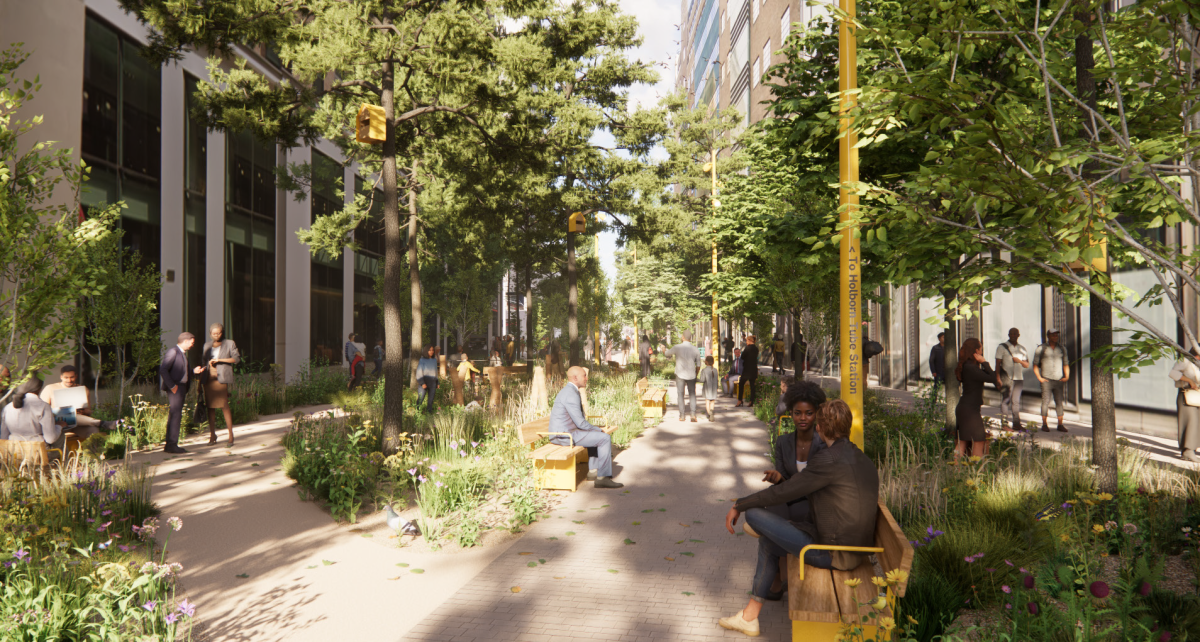
- Social Interaction: Streets designed for people foster community, enabling spontaneous social encounters, outdoor activities, and vibrant public life.
- Environmental Sustainability: Less traffic means lower carbon emissions, helping cities meet climate targets and create greener urban environments.
- Economic Vitality: Pedestrian-friendly areas often see increased local business activity, as people linger, shop, and dine in welcoming public spaces.
Camden’s Holborn Liveable Neighbourhood:
A Case Study
Camden Council’s Holborn Liveable Neighbourhood project exemplifies the shift towards people-first urban design. Key features include:
- Pedestrianisation: Streets like Great Russell Street are proposed for full pedestrianisation, creating vibrant public areas for local businesses and residents.
- Cycle Infrastructure: New segregated cycle lanes and expanded bike parking make cycling safer and more accessible.
- Green Spaces: Plans for New Oxford Street include trees, plants, and seating, transforming the area into a welcoming urban oasis.
- Healthy Hospital Street: Great Ormond Street will prioritize pedestrians with widened pavements and reduced vehicle traffic.
- Community Engagement: Camden actively seeks input from residents, businesses, and visitors to shape the project and measure its success.


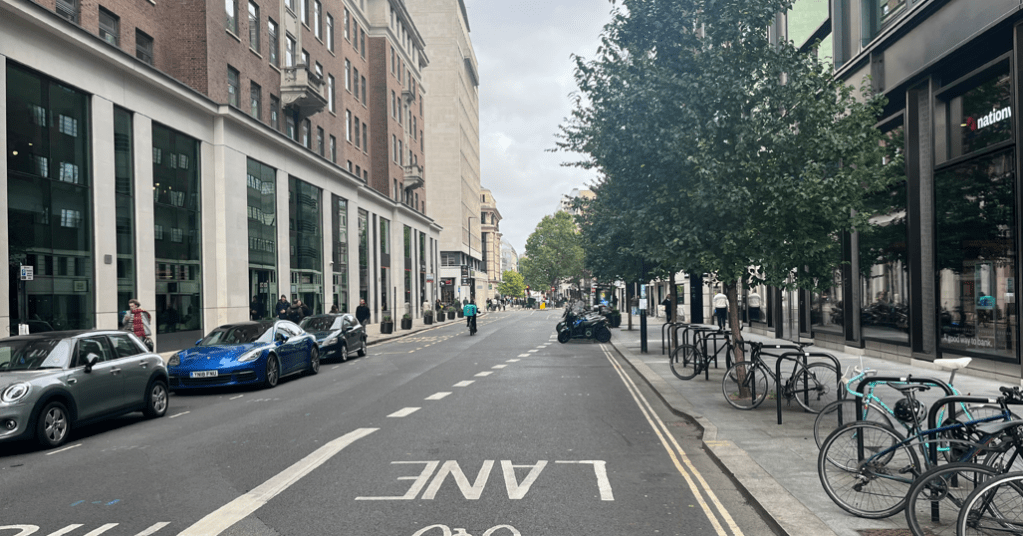

These changes are expected to deliver cleaner air, safer streets, and a more attractive environment for everyone.
Rolling Out the Approach Across London
Camden’s initiative is part of a broader movement in London towards people-centric urban planning. Other boroughs, such as Newham, have launched collective urban planning projects that involve residents in decision-making and prioritize shared spaces, green areas, and pedestrian-friendly streets.
The London Plan and local strategies increasingly emphasize sustainable transport, public realm improvements, and community engagement. Boroughs are experimenting with low-traffic neighbourhoods, expanded cycling networks, and revitalized public spaces, aiming to create a city where people—not cars—take centre stage.
Conclusion
Transforming cities for people rather than cars is not just a trend—it’s a necessity for safety, health, and quality of life. Camden’s Holborn Liveable Neighbourhood shows what’s possible, and with continued commitment, other London boroughs can follow suit, creating a more liveable, sustainable, and vibrant city for all.
 Shape Better Streets Croydon & Bromley